How a Bridge Saw Turns a Slab into Your Counter
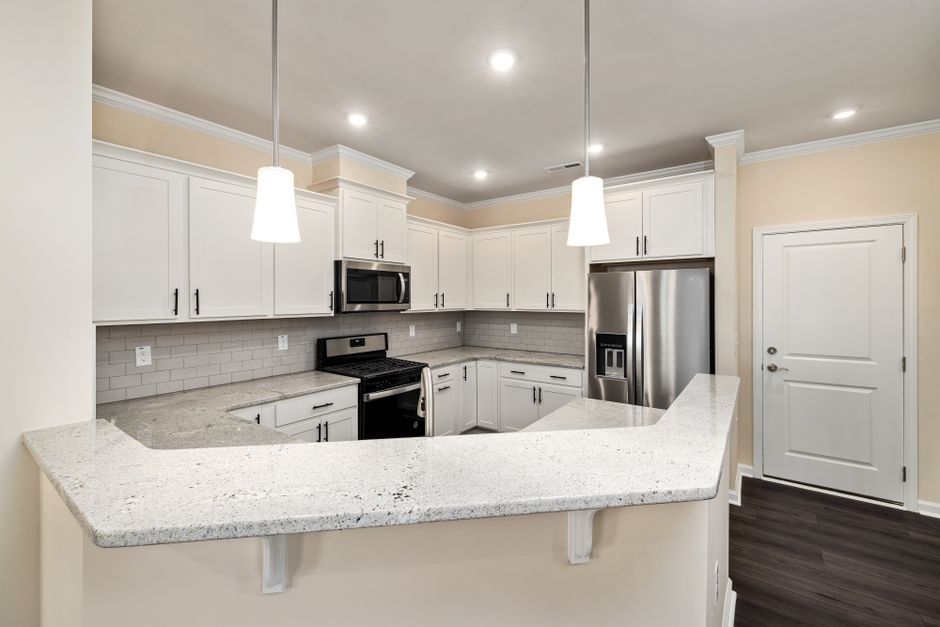
By the time the first blade touches the slab, the decision about which piece goes where has already been made on the layout table. The saw only follows it, as the notes at austin countertop fabrication pdc 2015 describe. A countertop that leaves a fabrication shop in Austin, TX looks the way it does largely because of that earlier planning.
Laying the template on the slab
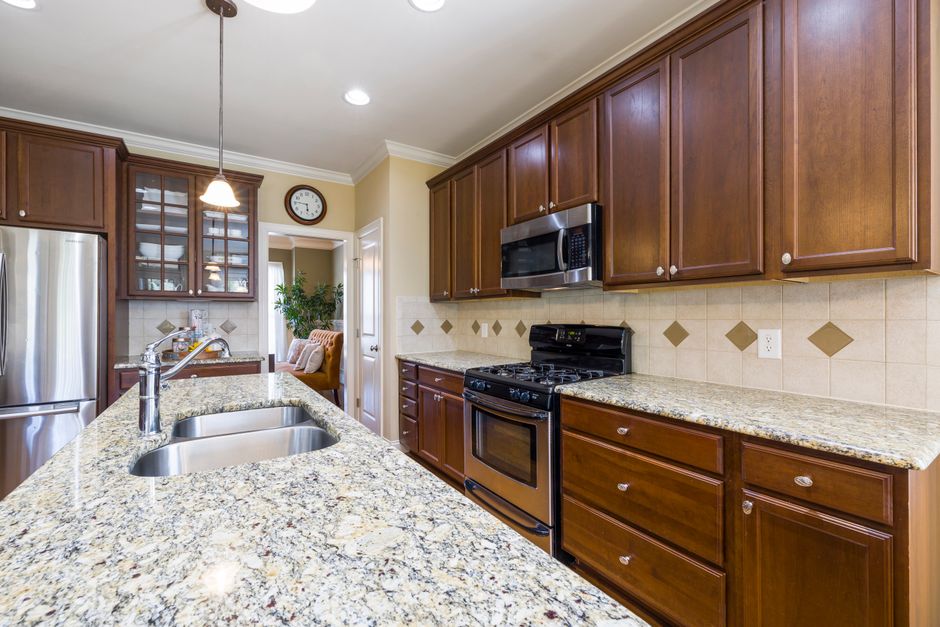
The digital template is projected or drawn onto the slab, and the fabricator moves the pieces around the surface like a puzzle. Veining in granite, quartz and marble runs in a direction, and the pieces are placed so the pattern flows from one run into the next. A visible crack, a pit or a thin band of color gets pushed into a scrap area or under the sink cutout, where it will be removed anyway. A full slab is a lot of stone to waste, so the layout is also about using it well, and the leftover becomes a remnant.
The bridge saw itself
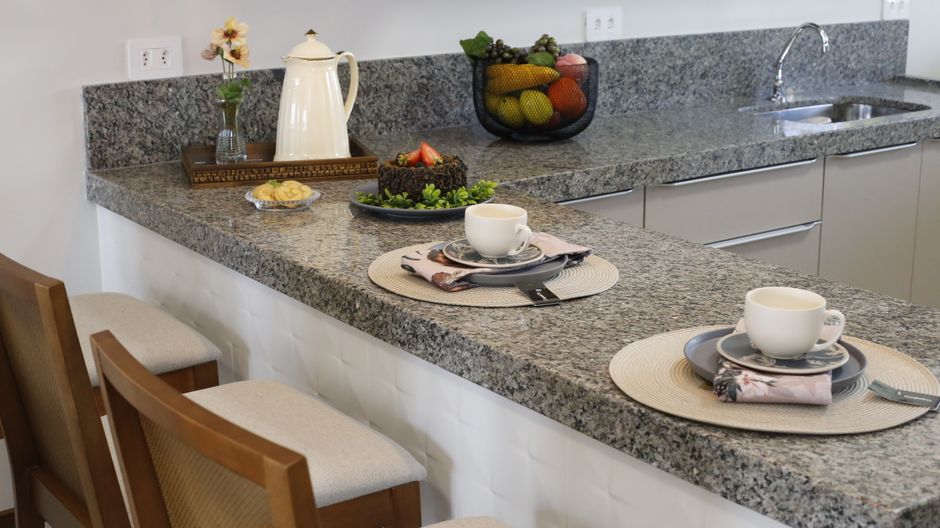
A bridge saw carries a large diamond blade over a flat table on rails. The slab sits on the table, held flat, and the operator sets the cut depth and the path. Water floods the blade the whole time. It keeps the diamond segments cool, carries off the slurry, and keeps silica dust out of the air. A dry cut on stone would glaze the blade and burn the edge.
Blade speed and feed
Different materials want different treatment. Quartz is dense and chips if the feed is pushed. Granite from the Texas Hill Country can have hard mineral bands that slow a blade down. Quartzite is harder still and cuts slowly. The operator eases the feed at entry and exit, because that is where a corner tends to spall. A chip at the start of a cut can end up on the visible face of the finished piece, so the first inch of travel is the slowest.
Rough cuts and what follows
The first cuts release the main rectangles. Inside corners for the sink cutout get drilled first so the saw never has to make a sharp turn. Anything with a curve or a cooktop opening goes to the CNC router or the waterjet afterwards. Each piece is labeled with its position, so the pieces can be checked against the template before edge work starts. A piece short by even a sixteenth of an inch cannot be rescued, which is why the layout step takes the time it does.
What a homeowner can look at on delivery
Cut faces that will be hidden, such as the back edge against the wall, are often left rougher than the front. That is normal. The front edge, the corners and the sink cutout should be smooth, with no saw steps or chatter marks. Pattern should run across the seam, and the pieces should sit square to the cabinet run.