Mitered, Laminated and Polished Edges Explained
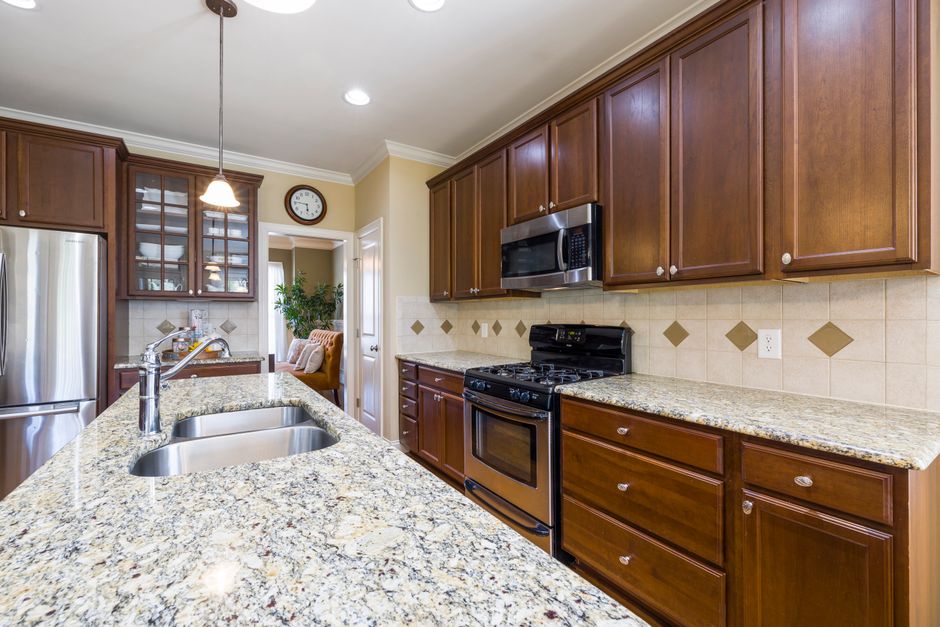
Nothing on a finished edge happens by accident, and more labor goes into it than into the cutting. A shop in Austin, TX that follows the practice described at austin countertop fabrication pdc 2015 spends a surprising share of its fabrication hours on edges, and the countertop only looks finished once that work is done.
Eased edge and bullnose
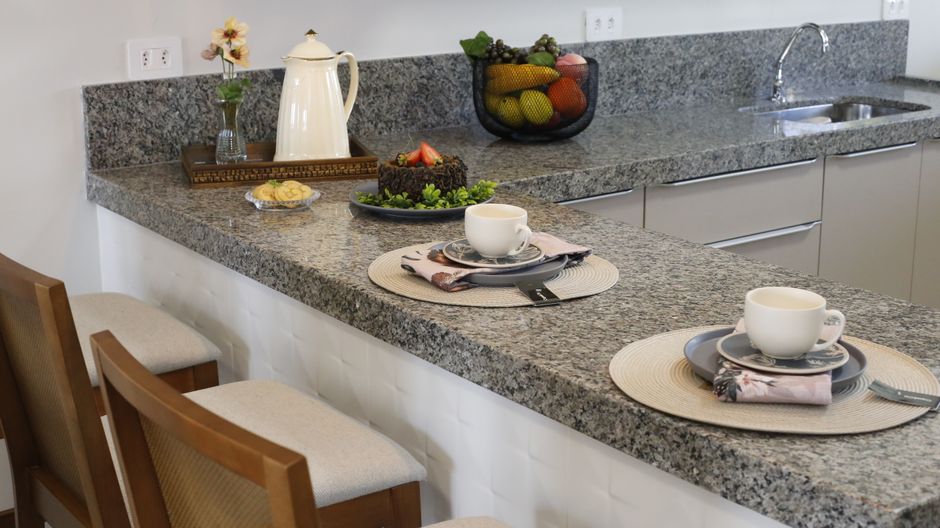
An eased edge has a small round on the top corner and a flat face, and it is the simplest profile to produce. A bullnose rounds the whole edge into a half circle. It takes more grinding and more polishing, and it is gentler on elbows and small children. A square corner chips more easily in granite and quartz, so even a modern flat look usually has the corner softened slightly.
Laminated edges

A laminated edge is built from a second strip of stone glued under the top, which gives the appearance of a thicker slab. A 2 cm slab, for instance, can be built up with strips to look like a 4 cm slab on the front. The strip is cut from the same slab so the pattern follows, then glued, clamped and ground flush. The joint line under the top is the thing to look for. A good one is nearly invisible, and a poor one shows a dark line.
Mitered edges and the waterfall
A mitered edge cuts the top and the apron at forty five degrees, and the two pieces meet to form a thick, clean corner. A waterfall edge runs the same idea down the side of an island, so the stone appears to pour to the floor. Veining wraps around the corner when the pieces come from the same part of the slab. This is demanding work in marble and quartzite, since a small error in the angle opens a visible gap at the corner.
Polishing through the grits
Polishing is done in steps. The edge is ground with coarse diamond pads to shape it, then worked through finer pads until the stone takes a shine. Machines do most of the straight runs, and the corners and curves are finished by hand. Quartz polishes faster than natural stone. Granite and marble take longer, and a honed finish stops at a lower grit.
Chips and how each edge handles them
A small chip on an eased edge can usually be filled with color-matched resin and polished. A bullnose hides a small chip better, because the curve spreads impact. A mitered corner is the least forgiving, since a chip lands exactly on the joint. At delivery, run a finger along every edge and the underside of every overhang, and ask about any rough spot before the installer leaves.