Slab Yard Visits, Remnants and Getting the Most from a Slab
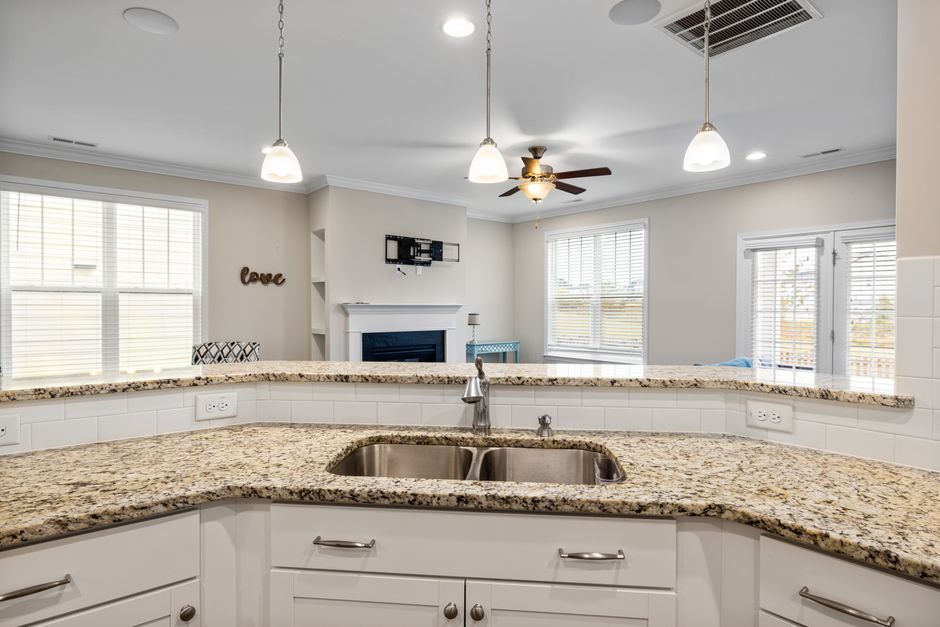
Eleven feet of kitchen run against a slab only nine feet long makes a different sum from the one most people expect, and the slab yard is where that sum gets settled. A countertop for a home in Austin, TX starts with choosing the right piece of stone, as the notes at austin countertop fabrication pdc 2015 explain.
Walking the yard
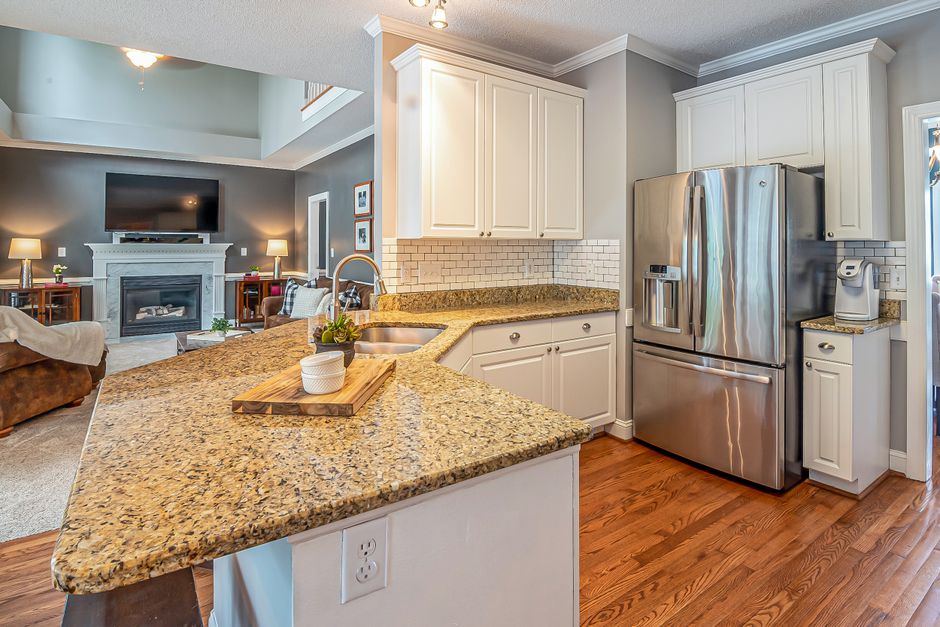
Slabs stand in racks, grouped by lot and bundle. A lot number marks stone from the same block, and slabs from the same bundle match closely in color and pattern. Look at the slab in daylight, from several angles, and look at the full face rather than a small sample. Veining and color run differently across a slab, and a small sample overstates the edge of the pattern. Take photos with the lot number visible so the fabricator can find the exact slabs later.
Nesting pieces on the slab
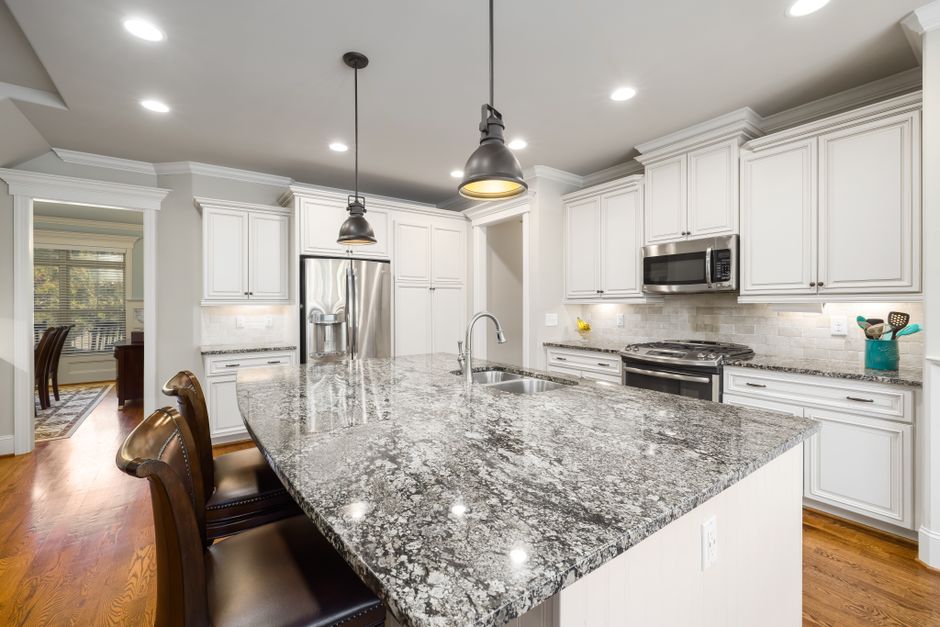
Once the slab is chosen, the shop nests the template pieces on it to use as much of the stone as possible. A long run goes down the length of the slab, the island goes beside it, and small pieces such as the backsplash fill the gaps. Pattern direction matters, so a piece cannot always be turned to fit. If the layout runs out of room, a second slab is needed, and that changes the seam and the slab count.
Where a remnant fits
A remnant is a leftover piece from a larger job, sold off at a lower rate than a full slab. It suits a bathroom vanity, a bar top, a small island or a desk surface, anywhere the area is small. Many Austin shops keep a rack of remnants in granite, quartz and marble. A remnant can also be used for a waterfall panel or a window sill. The limit is size, since the piece has to hold the whole top with one seam at most.
Hill Country stone and blade wear
Some stone from the Texas Hill Country and its surrounding region has hard mineral content, and quartzite from many quarries is dense. Both wear blades and bits faster, and the shop plans slower feed rates for them. The material is not worse. It just takes longer to cut, and the schedule reflects that. Soapstone and marble are softer and cut quickly, though they scratch and etch more easily in the home.
Before the slab is cut
Have the fabricator mark the layout on the slab, and look at it before the first cut is made. A visible crack, a dark vein or a pit should land in an area that gets removed, such as a sink cutout. Once the saw has gone through, the stone cannot be put back together, and a second trip to the yard means a second wait.